
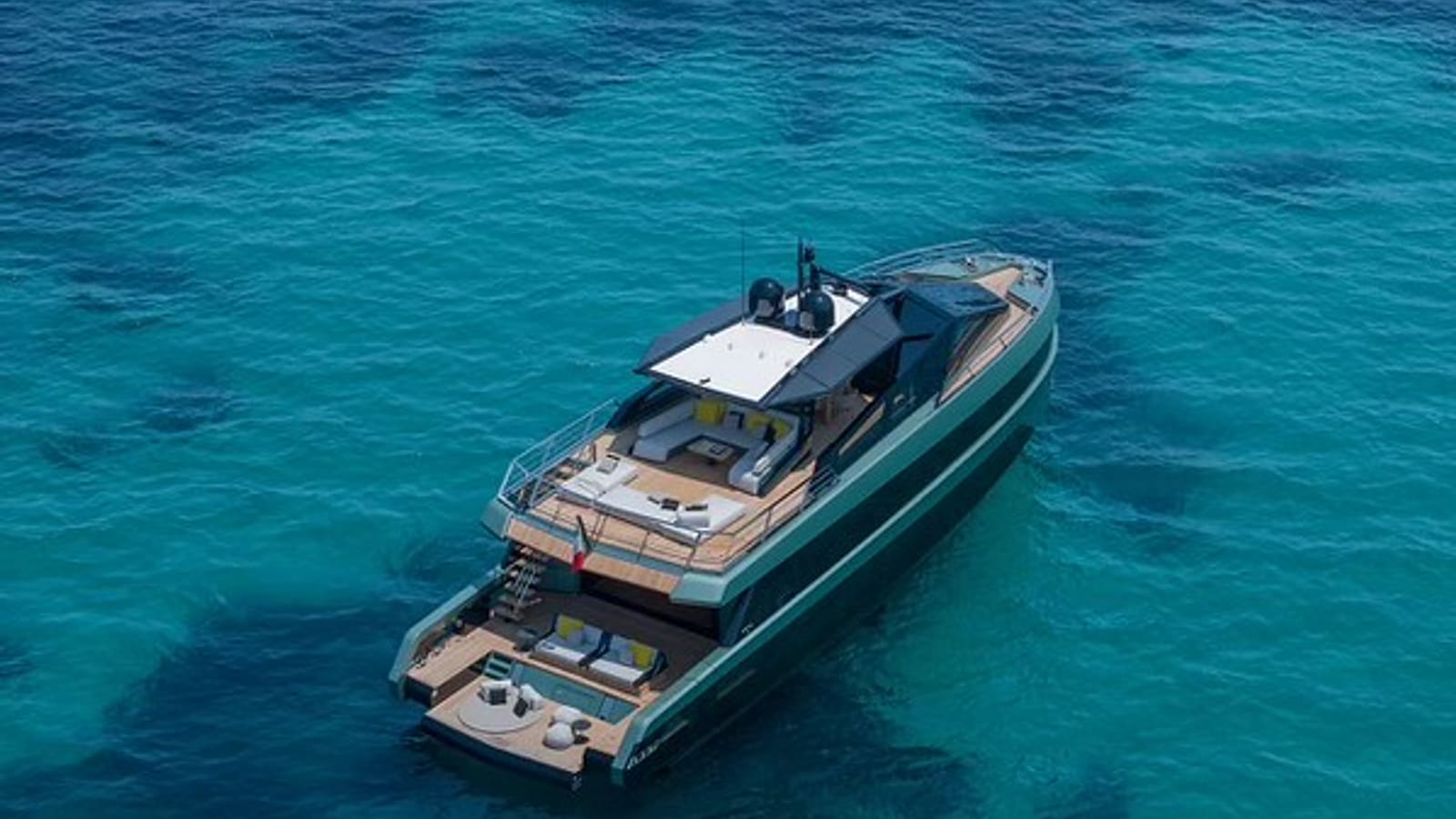
What to put in the guest brief before a Miami yacht outing
Turn confirmed yacht arrangements into a useful guest message covering meeting instructions, packing questions, requests and last-minute updates.
Send your guests one clear message after the yacht arrangements are confirmed. It should explain where to find the approved meeting instructions, when the group needs to be ready and who will pass along changes. A long group chat full of guesses makes a simple handoff harder.
Start with the specific vessel in the Luxx Miami yacht collection. Keep its listing link with your booking conversation, then build the guest brief from the team's written answers. A general fleet page is useful for choosing a yacht; it does not replace the instructions or terms for your outing.
Finish the organizer's questions first
Before writing to the group, separate confirmed arrangements from requests. Ask the booking team which details guests need and which are still being settled. A request for a particular route, food arrangement or activity should remain labelled as a request until you receive an answer.
Keep an organizer's record with the vessel, date, booking contact and current written instructions. Add unresolved questions below it. If the yacht or another part of the arrangement changes, ask which instructions also need to change before you reuse the old message.
Choose one organizer to send updates to the group and one backup who knows where the latest information is kept. That does not transfer responsibility for the booking to the backup; it simply prevents the plan from existing only on a phone that runs out of battery.
Distinguish meeting time from the rest of the outing
Use the exact times and location instructions supplied for your booking. Ask the team to explain any difference between when guests should arrive, when they should be ready and the planned departure. Do not turn an approximate time from an earlier conversation into a final instruction.
Avoid selecting a meeting point from a map or a photograph of the yacht. Forward the confirmed instructions instead. Ask what guests should do if they cannot find the meeting point, and identify the appropriate contact without posting private details in a public invitation.
Make transport to and from the outing a separate part of your group's plan. If you are also arranging a rental car, check that its handoff and return plans work with the yacht instructions. Do not assume either booking includes the transfer between them.
Ask before creating a packing list
A useful packing note tells guests what has actually been confirmed. Ask the team about bags, footwear, food, drinks and any items the group intends to bring. If someone has an access requirement or a concern about taking part, raise it privately before sending the final brief.
Keep each answer attached to the question it resolves. "Ask before bringing this item" is more useful than guessing that it is included or allowed. If the team has not confirmed a requested amenity, do not add it to the group invitation as part of the outing.
Photographs can help explain what guests are asking about, but they do not confirm that an item will be provided for a particular booking. Ask about the exact request and record the reply. That includes any additional charge, supplier or preparation the team says is involved.
Keep preferences separate from promises
Ask guests what matters to them before submitting a long list of activities. A group may prefer time talking together, taking photographs or discussing a particular route. Give the booking team the preferences and ask what can be confirmed for the outing.
Do not turn those preferences into a rigid schedule for guests. Ask who will communicate any operational changes and how the organizer should pass them on. Questions about changes, waiting arrangements or cancellations belong in the booking conversation, with the applicable terms kept alongside the reply.
When a guest proposes something new, check it with the relevant contact rather than approving it in the group chat. This keeps the organizer from accidentally promising a service or activity nobody has agreed to provide.
A guest message to adapt
Keep the final message short enough to read on a phone:
Our yacht outing is arranged for the date shown below. Please use the confirmed meeting instructions attached to this message. The time to be ready is listed separately from the rest of our plan. These are the packing instructions supplied for our booking. These requests are still awaiting confirmation. I am the group contact and will send any updates here. Please tell me privately about a change that could affect your attendance or arrangements.
Complete every field from the confirmed response. Remove the unresolved-request sentence only when there are no unresolved requests. Avoid including payment documents, identity documents or a full guest list in a message that may be forwarded beyond the group.
Update the brief when something changes
Give the message a revision date or a simple label such as "current plan." When there is a change, send the corrected version and state which earlier instruction it replaces. A new meeting instruction hidden between unrelated messages is easy to miss.
Ask guests to acknowledge a material change. If someone drops out or another person wants to join, take that change back to the booking team. Do not infer approval from the size of the vessel or from the plans another group used on a different day.
FAQ
Can we reuse a friend's meeting instructions?
Use the instructions issued for your own booking. A similar vessel name or a photograph is not enough to establish that the same arrangements apply.
Should we promise an activity in the invitation?
Include it as confirmed only after the booking team has agreed to it. Until then, describe it as a request and keep the wording clear for guests.
How do we start the conversation?
Choose a vessel from the yacht collection and use its inquiry path. Send your intended date and group requirements, then ask which details need confirmation before you circulate the guest brief.