
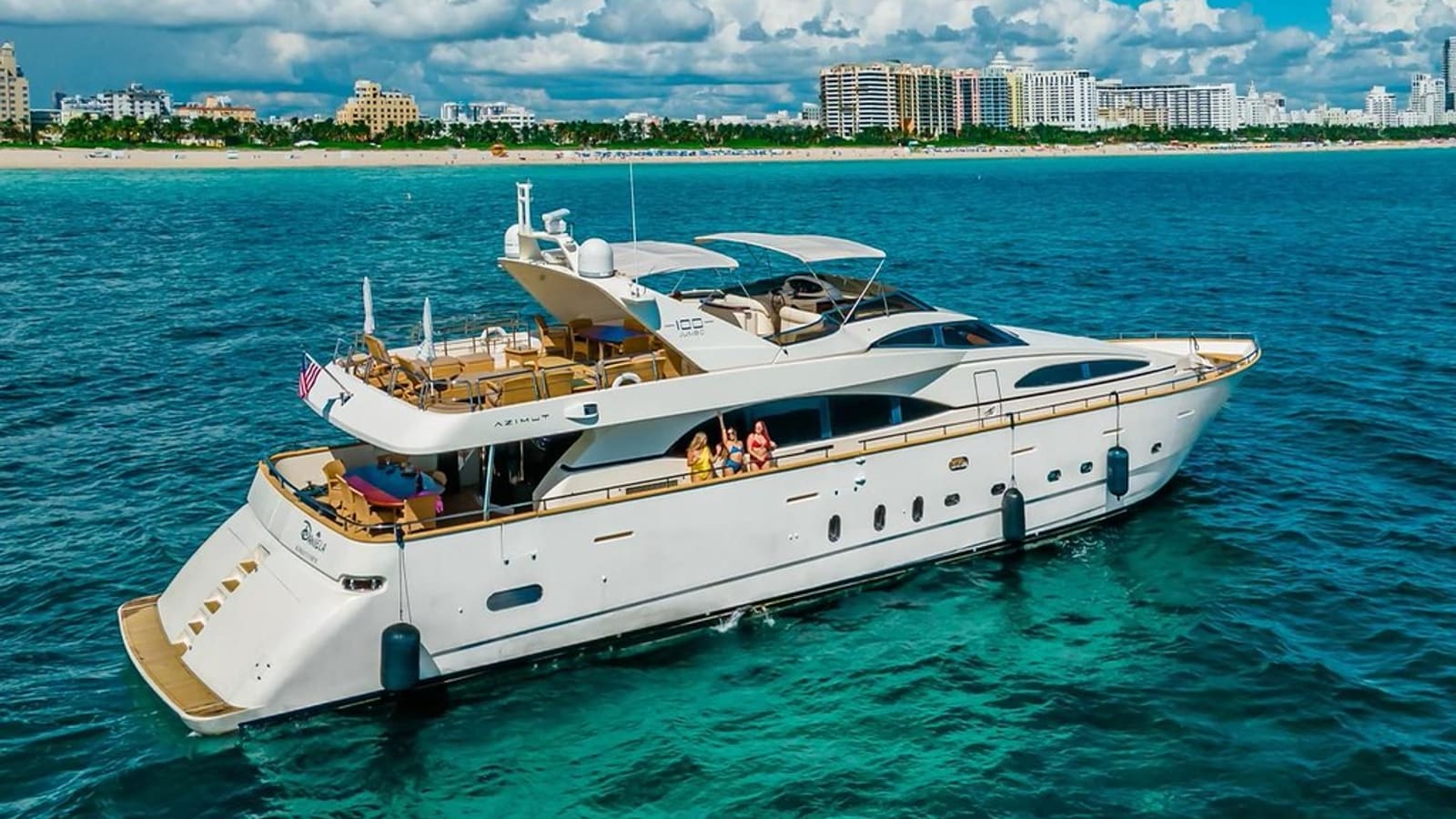
How to read a yacht gallery before choosing a Miami charter
Read yacht listing photos with a clear method, identify missing views and send precise questions before choosing a vessel for your Miami outing.
A yacht gallery is easier to use when you stop treating every photograph as a separate reason to book. Several pictures may show the same deck from different directions. A close view can make a small detail memorable while leaving the rest of the boat unexplained. Start by working out what each image actually tells you.
Open a listing from the Luxx Miami yacht collection and keep a short photo note beside it. The aim is to understand the vessel well enough to ask precise questions. You do not need to identify every nautical term or reconstruct a complete deck plan from pictures.
Establish which listing each photograph belongs to
Save the exact listing link before collecting screenshots. If you compare several yachts in a group chat, put the vessel name beside every image. A cropped photograph separated from its page is easy to mistake for a different option later.
Use a visible detail to identify an image in your notes, such as the curved sofa beside the rear doors. A gallery position alone can become confusing if the order changes. Keep your own labels simple, and leave the original screenshot intact so the booking contact can recognize the view.
Keep reference photos from elsewhere separate. A photograph of a similar model does not establish the layout, equipment or current appearance of the listed vessel. Ask about the exact yacht you are considering.
Match repeated views before counting spaces
Go through the gallery once without making a shortlist decision. Look for repeated furniture, windows, railings and doorways. These details can help you notice when two photographs show the same place.
For example, a table seen toward the water and the same table seen toward the doors may look like separate dining areas at a glance. Mark them as a possible match rather than counting both. If you cannot tell, keep that uncertainty in the note.
An exterior photograph can help orient the other views. Look for the front and rear of the boat and any visible levels, then relate those to the interior pictures. Leave a gap where the connection is unclear. A neat sketch with guessed connections is less useful than a rough one with an honest question mark.
Find the photograph that would connect the views
Once you recognize the main views, look at their edges. Does a photograph end just before a doorway? Do stairs disappear out of frame? Does the next picture actually show the other side, or are you assuming that it does?
Turn the gap into a specific request. Instead of asking for more pictures generally, describe the view that would answer your question. You might ask for a view looking back from a doorway, or an explanation of where the visible stairs lead. These are requests for information, not a promise that additional photographs are available.
If a route through the vessel matters to someone in your group, explain the requirement privately and ask the team to address it directly. Photographs cannot establish whether a vessel will meet that person's needs. Do not infer clearances or ease of movement from a camera angle.
Separate visible objects from confirmed arrangements
A picture can show an object without explaining its role in your booking. A table setting does not confirm food service. An item on the water beside a yacht does not establish that it comes with the charter. Keep those details in a question column until the booking team answers them.
The same applies to places shown in the gallery. An image of a cabin does not by itself confirm access to it or an overnight arrangement. A shaded seat in one photograph does not promise the same shade throughout your outing. Ask about the arrangement you want rather than translating a photograph into an inclusion.
Avoid estimating guest capacity from cushions, seats or people shown in a picture. Give the booking team your intended group details and ask them to confirm whether the exact vessel is suitable for that booking.
Compare the unanswered questions
After reviewing each candidate, write down what still affects your choice. One yacht may have a clear set of interior images while another leaves a particular area unexplained. That difference tells you what to ask next; it does not prove that the less photographed boat lacks the space or detail you want.
Use the same short record for each listing:
- Exact vessel name and listing link.
- Image description or screenshot for the detail in question.
- What you can see without guessing.
- What you still need confirmed for your intended use.
- The answer that would change your choice.
Send the most important unanswered question first. Include your intended date and group requirements so the reply concerns your outing. Ask whether the images reflect the current vessel and which details need separate confirmation. Save the answer beside the relevant picture, then revisit the shortlist with those answers available.
FAQ
Does a longer gallery mean a better yacht?
It means you have more images to examine. Repeated angles may add little information, while a short gallery may leave useful questions unanswered. Compare what you understand about each vessel and ask about the missing details.
What if the photographs and description seem different?
Send the exact listing and identify the conflicting detail. Ask which information applies to the vessel and your proposed booking before relying on either version.
Where should I start comparing?
Choose a few listings from the yacht collection. Keep each gallery attached to its listing, work through the pictures once, and bring the unresolved questions into your inquiry.